


pera57 | The Impact of Simulation Games on Modern Gaming Culture
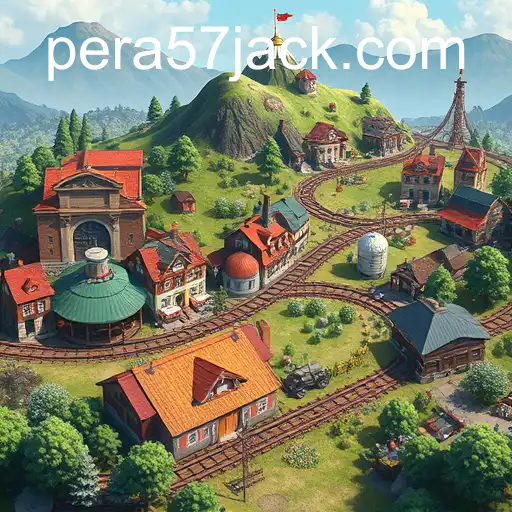
Simulation games have carved out a significant niche within the gaming industry, captivating millions of players with their unique blend of realism and creativity. From city-building and farming to life simulation, these games offer players the opportunity to experience a wide array of scenarios and challenges. The appeal of simulation games lies in their ability to emulate real-world activities, providing a virtual environment where players can experiment without real-world consequences.
The term 'Simulation' encompasses a broad genre, with popular titles like "The Sims," "SimCity," and "Farming Simulator" setting the standard for what players expect from their gaming experiences. These games are often characterized by their attention to detail, encouraging players to invest time and effort into building and managing complex systems.
The rise of simulation games can be attributed to several factors, including advancements in technology that allow for more realistic graphics and AI. Additionally, the accessibility of these games, often requiring only moderate system requirements, has broadened their appeal to a wider audience. This has led to the development of niche simulation games that cater to specific interests, such as train simulators, flight simulators, and even surgery simulators.
One key aspect of simulation games is their educational potential. Many players gain a deeper understanding of the mechanics behind various real-world phenomena, such as urban planning or agriculture, by interacting with these games. The simulation genre thus serves as both an entertainment medium and a learning tool, making it popular among both casual gamers and educators.
The growing popularity of 'Let's Play' videos and streaming platforms has also contributed to the success of simulation games. Content creators showcase their gameplay and share strategies, acting as both a community-building exercise and a free marketing strategy for the games themselves.
Looking ahead, the future of simulation games seems bright, with many developers exploring virtual reality (VR) as a way to further immerse players in these virtual worlds. The continual evolution of technology promises deeper, more interactive experiences that could enhance the educational value of these games even further.
In conclusion, simulation games are more than just an interesting diversion; they are a reflection of real-world processes and a testament to human curiosity. The genre's continued growth and innovation suggest that simulation games will remain an integral part of the gaming landscape, influencing players and developers alike.
